VersusPsychology
Stereotype vs prejudice
A stereotype is a belief about what a group is like. Prejudice is a feeling for or against its members. Either can occur alone.
- TermStereotypeA widely shared, simplified belief about what the members of a social group are like, applied to individuals whatever their own traits.Psychology
- TermPrejudiceA settled attitude towards people, usually hostile, held because of the group they belong to and before knowing them as individuals.Psychology
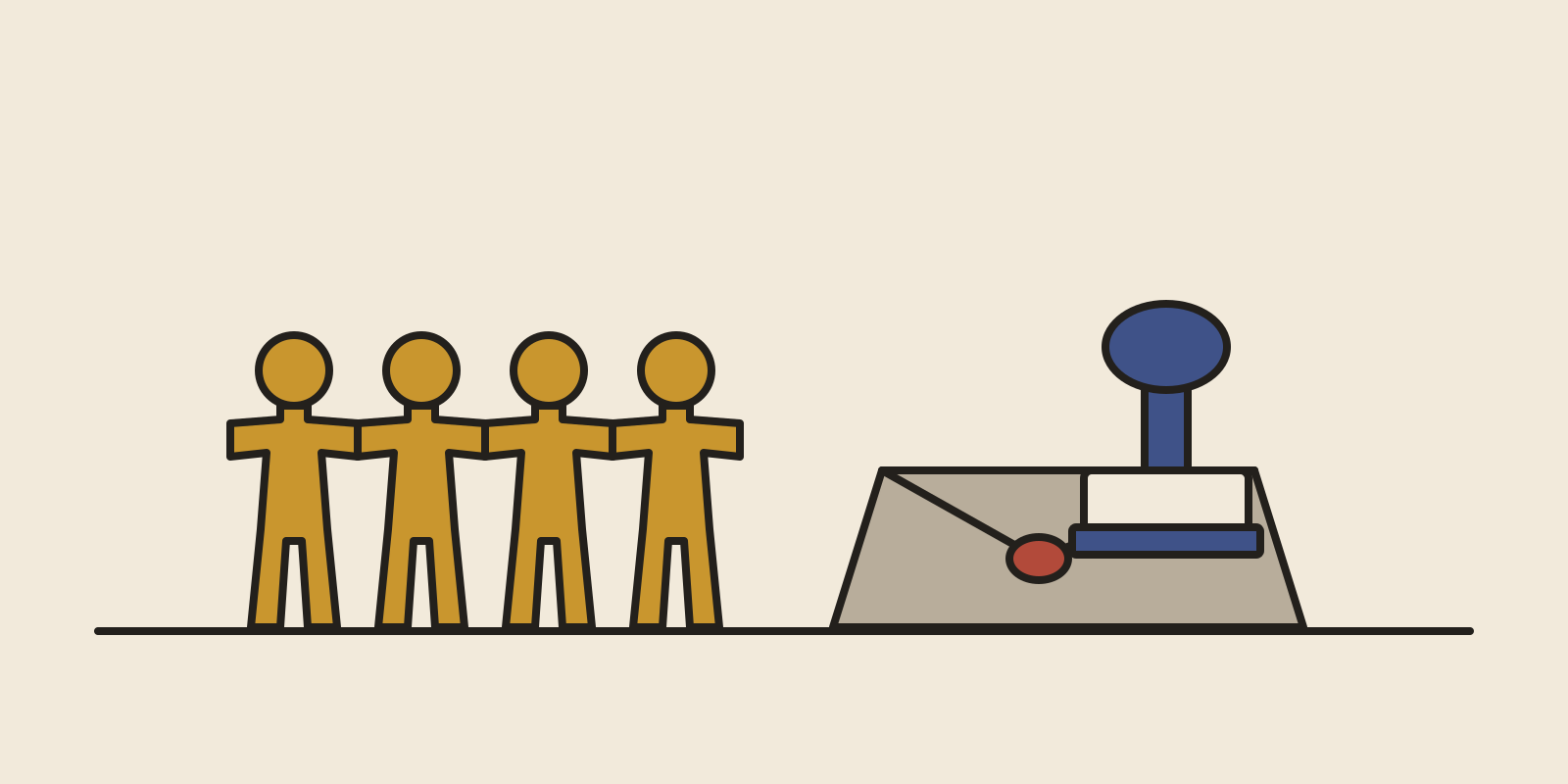
Comparison
| StereotypePsychology | PrejudicePsychology | |
|---|---|---|
| What it is | A belief about what the members of a group are like | An attitude towards people because of their group, usually hostile |
| Made of | A simplified picture, such as "engineers are awkward" | Feeling as well as belief, a leaning for or against |
| Where it lives | Shared across a society and learned from family, jokes and films | Held by a person, who in the classic sense could report it |
| Without the other | Can be known, and even believed, with no ill feeling | Can be felt as plain dislike with no clear picture behind it |
| Remedy usually tried | Information about the individual | Contact between the groups on equal terms |
| Modern sense from | Walter Lippmann, Public Opinion (1922) | Gordon Allport, The Nature of Prejudice (1954) |
What it is
- Stereotype
- A belief about what the members of a group are like
- Prejudice
- An attitude towards people because of their group, usually hostile
Made of
- Stereotype
- A simplified picture, such as "engineers are awkward"
- Prejudice
- Feeling as well as belief, a leaning for or against
Where it lives
- Stereotype
- Shared across a society and learned from family, jokes and films
- Prejudice
- Held by a person, who in the classic sense could report it
Without the other
- Stereotype
- Can be known, and even believed, with no ill feeling
- Prejudice
- Can be felt as plain dislike with no clear picture behind it
Remedy usually tried
- Stereotype
- Information about the individual
- Prejudice
- Contact between the groups on equal terms
Modern sense from
- Stereotype
- Walter Lippmann, Public Opinion (1922)
- Prejudice
- Gordon Allport, The Nature of Prejudice (1954)
Diagram
A stereotype is a belief and prejudice is an attitude
Read as text
Two overlapping circles. The left circle, stereotype, holds a belief about a group that is shared across society and needs no ill feeling. The right circle, prejudice, holds an attitude with feeling that is held by a person and is usually hostile. The shared centre holds judging individuals by their group.
Why people confuse them
They usually travel together. Someone who dislikes a group tends to hold unflattering beliefs about it, and the beliefs supply reasons for the dislike. Allport's own definition ties the two, since he called ethnic prejudice an antipathy "based upon a faulty and inflexible generalization".
Everyday speech then uses both words, along with discrimination, as rough synonyms for unfairness. Psychology keeps three things apart. The stereotype is the belief, prejudice is the attitude, and discrimination is the act of treating someone worse.
Stereotype
A widely shared, simplified belief about what the members of a social group are like, applied to individuals whatever their own traits.
Prejudice
A settled attitude towards people, usually hostile, held because of the group they belong to and before knowing them as individuals.
When the difference matters
A hiring manager keeps passing over applicants in their sixties, and the firm wants to know why.
Suppose he is fond of older colleagues and simply assumes that people of that age struggle with new software. That is a stereotype with no prejudice behind it. The useful response is information: show him the applicants' records, or have him ask each one what they have built.
Now suppose he finds older people irritating and would sooner not share an office with them. That is prejudice, and facts about software will not shift it, because the attitude came before any evidence. The best-studied remedy is contact on equal terms, such as working beside older colleagues on a shared project.
A firm that offers the first manager contact, or the second a page of statistics, has matched the wrong cure to the fault.
Where they overlap
Both judge the individual by the group and both arrive before the person has said a word. Both are learned, and both resist correction. Each has also been criticised as too narrow a way to describe unfair treatment. Lee Jussim argues that many stereotypes match group averages fairly well, so falsehood cannot be what defines them. His critics reply that an accurate average is still a poor guide to an individual. John Dixon and colleagues argue that inequality can run on warm feelings, with no hostility anywhere.
Further reading
- Allport, G. W. (1954). The nature of prejudice. Addison-Wesley.
- Dovidio, J. F., Glick, P., & Rudman, L. A. (2005). On the nature of prejudice: Fifty years after Allport. Blackwell.
- Lippmann, W. (1922). Public opinion. Harcourt, Brace and Company.
Cite this entry
Scholia. (2026). Stereotype vs prejudice. In Scholia: Notes in the margin of the human sciences. Retrieved November 28, 2026, from https://scholia.zennia.sg/versus/stereotype-vs-prejudice
This topic is contested. The entry sets out the main positions rather than settling them.